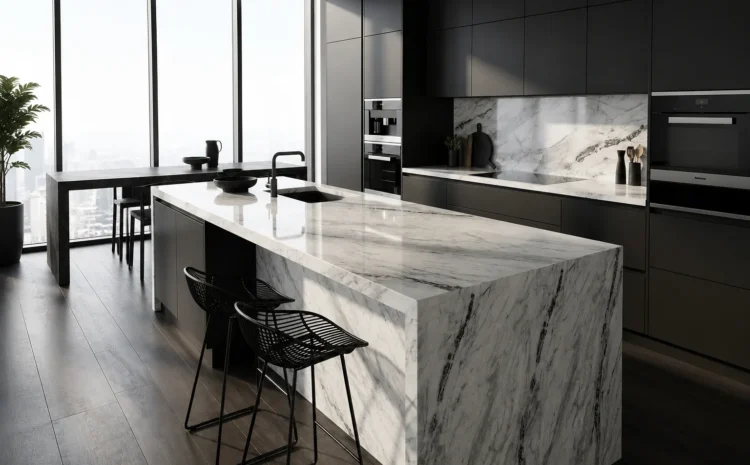
Benefits of Using Marble Countertops for the Kitchen
For thousands of years, marble has been used in many famous buildings, lavish palaces of royalty, and everlasting works of art; it is unparalleled in its presence: temperature, texture, and visual complexity. Today, this same raw material has found its way into modern kitchen design; as a result of this modern use of marble, homeowners who want to keep the beauty and quality in their kitchens are using marble counters as one of their top choices.
At Aravali Onyx, 100% of our inventory consists of natural stone; marble is one of our most requested natural stones. By understanding what marble is and how it works in your kitchen, you will become confident in making one of the best choices for your new kitchen or in remodeling an existing kitchen with this incredible stone.
This blog post will explore many benefits associated with using marble countertops in your kitchen, important factors to take into consideration before purchasing marble for your kitchen, and reasons why buying from a reputable supplier is critical for using natural stone.
The Timeless Aesthetic Appeal of Marble Countertops
The first and most prominent reason to use marble for countertops is the beauty of the stone. Every piece of marble is unique; each slab has its own distinct set of characteristics. The above paragraph means that, by choosing marble as your countertop, you are not simply buying an item off a production line. You are opting for a unique product that can’t be found anywhere else.
White marble remains the most popular type of countertop in kitchens. White marble reflects light beautifully, helping to open small kitchens up and create the illusion of more space for them. Different types of white marble are Carrara, Calacatta, and Statuario. Each of these different types of white marble has its own character, with the degree of contrast between the grey veins in the marble being different. All white marbles have a similar bright look. Because of this bright characteristic, it is considered a design classic.
In contrast to white, black marble has become very popular within kitchens for homeowners looking for a more dramatic and contemporary look. When paired with light cabinetry, black marble makes a stunning visual contrast that is both classy and elegant. When paired with dark cabinetry, the black marble creates a sense of depth in appearance that few other materials can replicate. Whether you lean toward minimal Scandinavian kitchens, industrial, finally chic, or bold maximalism, black marble will make a bold statement within your kitchen.
Natural Coolness – A Practical Advantage for Baking and Cooking
Having natural cooling properties is a practical advantage when baking and cooking on marble countertops. Marble maintains a surface temperature much cooler than ambient temperature, making it perfect for placing food such as dough while cooking with items including chocolate at high temperatures. Those who have used marble have known that rolling out dough on marble surfaces produces superior results due to the coolness of the stone, preventing the dough from becoming too sticky, therefore making it very easy to roll out.
For anyone who enjoys home cooking or baking, this may not seem like an important factor, but it has a significant functional advantage and provides substantial value to your kitchen.
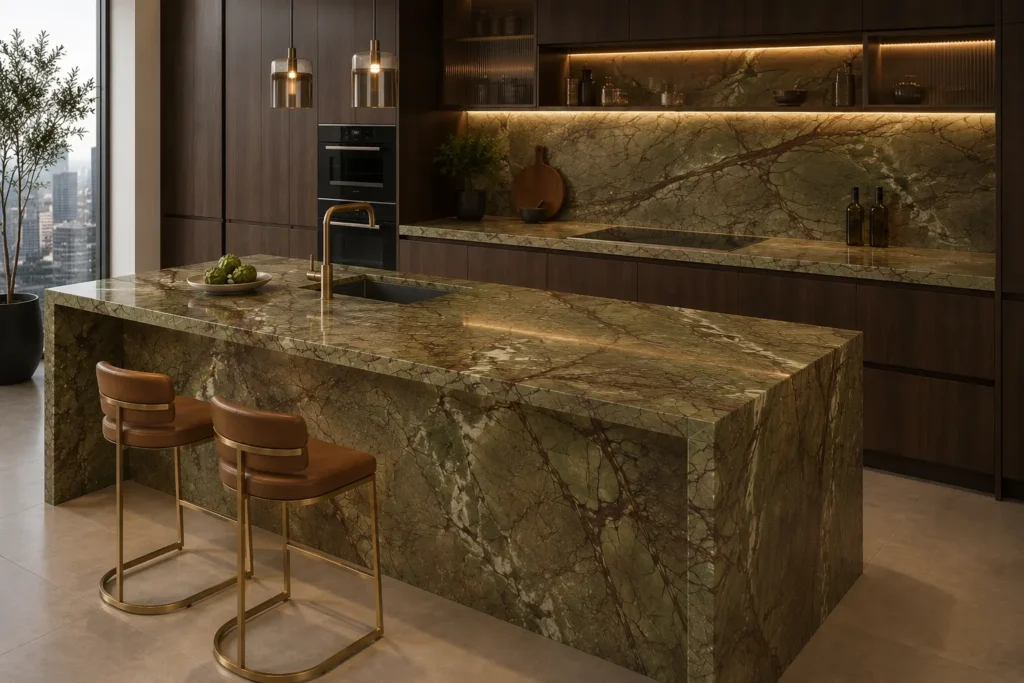
Marble Kitchen Worktops Add Long-Term Value to Your Home
Marble kitchen work surfaces add long-term value to any home. In addition to being a beautiful choice, marble is considered an elite choice when used in kitchens; therefore, adding a marble work surface immediately increases the perceived quality of the home itself.
Marble offers a timeless option compared to fashions that expire quickly. A kitchen fitted with marble today will still be fashionable in 20 years. This longevity, combined with the quality positioning of marble in the marketplace, means that it is one of the most valuable investments that a homeowner can make in their kitchen.
Durability When Properly Maintained
Marble is a natural stone formed by the enormous geological forces of nature; therefore, it is a very strong and durable product. With the proper sealing and maintenance, countertop marble can last for decades, and sometimes for generations. Some of the most well-known and most frequently used marble surfaces have been around for hundreds of years and still look beautiful.
Honesty is always the best policy: marble is softer than granite or quartzite and therefore will etch if exposed to acid (for example, lemon juice, vinegar, and some types of cleaning products) or will stain if liquids remain on the surface for too long.
However, with the use of proper sealing techniques, routine cleaning, and having an understanding of how to use and care for marble, these issues can be easily overcome. When properly cared for, marble countertops can be an incredibly durable and beautiful choice for kitchen surfaces over the long term.
Understanding Marble Countertops Cost
One of the most common questions homeowners ask is about the cost of marble countertops. The honest answer is that marble varies considerably in price depending on the variety, origin, thickness, finish, and complexity of the installation.
Entry-level marble varieties are available at competitive price points, while rarer stones such as Calacatta Gold or exotic marbles with distinctive veining command a premium. Generally, marble countertops sit at a higher price point than engineered quartz or laminate, but are comparable to or sometimes more affordable than high-end granite varieties, depending on the specific stone chosen.
At Aravali Onyx, we work directly with quarries and offer a wide selection of marble across different price ranges, ensuring that there is a natural stone option to suit varying budgets without compromising on quality. We always recommend viewing the actual slab, not just a sample, before making a final decision, as the character of natural stone can vary significantly within the same variety.
A Sustainable, Natural Choice
In an era of increasing environmental awareness, there is something to be said for choosing an entirely natural material. Marble is quarried directly from the earth; it requires no synthetic manufacturing, no chemical binders, and no artificial compounds. It is a natural product in the truest sense, and at the end of its very long life, it can be repurposed or recycled.
For homeowners who are mindful of the environmental footprint of their interior choices, natural marble sourced responsibly from ethical quarries is a far more sustainable option than many engineered or synthetic surface materials.
Conclusion
Marble countertops for the kitchen represent one of the most rewarding investments a homeowner can make – combining extraordinary natural beauty, practical benefits, long-term property value, and the quiet confidence that comes from choosing a material that has stood the test of time across centuries of human craftsmanship.
Whether you are drawn to the soft sophistication of white marble countertops, the bold drama of black marble countertops, or something uniquely in between, the right slab is waiting for you.
At Aravali Onyx, we specialise in premium natural stones sourced directly from the finest quarries. Our team of experts will help you select, customise, and install the perfect marble kitchen worktop, tailored to your space, your style, and your budget.
Get in touch with Aravali Onyx today to explore our marble collection and request a personalised quote. Your dream kitchen starts with the right stone.
Frequently Asked Questions
1. Are marble countertops suitable for everyday kitchen use?
Yes, marble countertops are suitable for everyday kitchen use when properly sealed and maintained. They are best suited to homeowners who understand the nature of natural stone and are willing to follow basic care guidelines, such as wiping up spills promptly and avoiding harsh, acidic cleaners. With the right approach, marble performs beautifully as a daily kitchen surface.
2. How often do marble countertops need to be sealed?
Most marble countertops benefit from sealing once a year, though this can vary depending on the porosity of the specific stone and the level of kitchen use. A simple water test, where you place a few drops of water on the surface and observe whether they bead or absorb, can tell you when resealing is needed.
3. What is the difference between white and black marble countertops?
White marble countertops – such as Carrara or Calacatta – are characterised by a light, bright base with grey, gold, or beige veining. They create a sense of openness and work well in a wide range of kitchen styles. Black marble countertops have a dark, dramatic base with contrasting veining in gold, white, or grey, and are ideal for creating a bold, contemporary aesthetic.
4. How much do marble countertops cost?
Marble countertops cost varies depending on the variety of marble, its origin, thickness, finish, and installation requirements. Prices range from mid-range for standard varieties to premium pricing for rarer or more exotic stones. At Aravali Onyx, we offer marble options across a range of price points and can provide a detailed quote based on your specific requirements.
5. Can marble countertops be repaired if they get scratched or etched?
In many cases, yes. Minor scratches and surface etching on marble can be addressed through professional polishing and honing, which restores the surface to its original finish. Deep chips or cracks may require more extensive repair, but a skilled stone restoration professional can achieve excellent results in most situations.
6. Are marble kitchen worktops better than granite?
Both marble and granite are exceptional natural stone choices, and the best option depends on your priorities. Marble offers a softer, more luxurious aesthetic and is preferred by many for its unique veining and cooler surface temperature. Granite is generally harder and more resistant to scratching and etching, making it slightly more forgiving in a busy kitchen. At Aravali Onyx, we can help you compare both options in person to find the right fit for your kitchen and lifestyle.
Also Read: Best Stone for Kitchen Countertops
