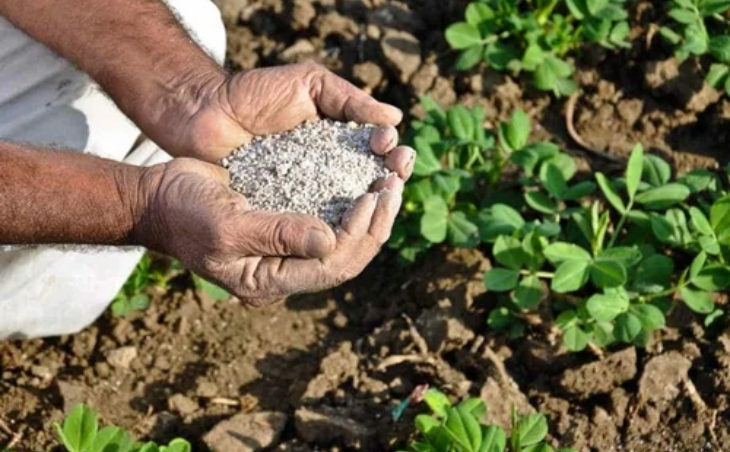
Dolomite for Plants: Uses, Benefits & How to Apply
Dolomite powder is a soil amendment used to raise soil pH and provide calcium and magnesium to plants. It can be useful when garden soil is too acidic or lacks these secondary nutrients. But dolomite is not suitable for every plant or soil type. This guide explains what dolomite does to soil, how to test pH, how much to use, when to apply it, which plants may benefit, and what precautions to take.
What is Dolomite Powder and How Does It Work?
Dolomite is a naturally occurring mineral composed primarily of calcium magnesium carbonate. When used in gardening, dolomite powder for plants can help neutralize acidic soil while supplying two important nutrients: calcium and magnesium.
The effectiveness of dolomite depends largely on the existing condition of the soil. In acidic soil, dolomite reacts with soil acidity and gradually raises the pH toward a more suitable range for many garden plants.
This makes dolomite soil amendments particularly useful where a soil test shows low pH along with a need for calcium and magnesium. However, adding dolomite to soil that is already neutral or alkaline can unnecessarily increase the pH.
Also read – Applications of Dolomite Powder in Various Industries
Is Dolomite a Fertilizer?
Dolomite is better described as a soil amendment than a complete fertilizer. While dolomite fertilizer is a commonly searched term, dolomite does not provide the primary NPK nutrients—nitrogen, phosphorus and potassium—that complete fertilizers are formulated to supply.
Instead, dolomite provides calcium and magnesium and can help correct excessive soil acidity. For this reason, it can also function as a dolomite soil conditioner when the soil conditions call for pH adjustment and these nutrients.
If you are looking at commercial applications of dolomite, see our guide to dolomite powder in the agriculture industry for information relevant to larger-scale use.
How to Test Your Soil pH and Determine the Amount of Dolomite Powder to Use
Before using dolomite lime powder, test your soil first. A soil test helps determine whether your soil is acidic and whether adding a liming material is appropriate.
You can use a home soil pH testing kit or have a soil sample tested professionally. If you use a home kit, follow the colour chart provided with that particular kit, as colour ranges can vary between brands.
- Current soil pH
- Desired soil pH
- Soil texture
- Existing calcium and magnesium levels
- Type of plants being grown
- The neutralizing value and fineness of the dolomite product
Because these factors vary, there is no single application rate that is appropriate for every garden. For the most accurate recommendation, use your soil-test result and follow the product label or advice from a qualified soil professional.
Dolomite Dosage Guide by Soil pH
| Soil condition | General approach |
| Strongly acidic | A soil test can help determine the required liming rate. |
| Moderately acidic | Dolomite may be appropriate if calcium and magnesium are also needed. |
| Slightly acidic | Apply only when recommended by a soil test or based on the needs of the plants. |
| Neutral | Usually avoid adding dolomite unless a specific soil deficiency requires it. |
| Alkaline | Do not add dolomite to increase pH further. |

Always adjust the application rate to your soil-test result. More dolomite is not necessarily better, and over-application can create an unsuitable pH for plants.
Which Plants Benefit From Dolomite (and Which to Avoid)?
Whether dolomite for plants is useful depends on the plant’s preferred soil conditions.
Vegetables and other garden plants that grow well in mildly acidic to neutral soil may benefit when the soil is too acidic and requires calcium or magnesium. Tomatoes are often discussed in connection with dolomite because calcium is important for healthy plant growth. However, adding dolomite simply to prevent a particular tomato problem is not recommended without first checking the soil.
So, is dolomite good for tomatoes? It can be appropriate when a soil test indicates acidic soil and a need for calcium and magnesium. It should not be treated as an automatic tomato treatment.
Some plants prefer acidic soil and generally should not receive dolomite unless a specific soil-management recommendation calls for it. These include:
- Blueberries
- Azaleas
- Rhododendrons
- Other acid-loving plants
If you are unsure whether your plants need dolomite, check their preferred soil pH and test your soil before applying it.
How to Apply Dolomite Powder to Your Soil and Plants
Applying dolomite correctly is important because the material works by changing soil conditions rather than acting as an instant plant feed.
Step-by-Step: Applying Dolomite to Soil
- Test the soil: Check the current pH before adding dolomite.
- Determine the requirement: Use the soil-test recommendation and product instructions to establish the appropriate quantity.
- Measure the powder: Avoid estimating large quantities by eye.
- Spread it evenly: Distribute the recommended amount across the soil surface rather than concentrating it around individual plants.
- Mix it into the soil: Where appropriate, gently incorporate it into the upper layer of soil according to the product instructions.
- Water the area: Watering after application can help settle the material into the soil.
- Monitor the soil: Re-test the pH after sufficient time has passed rather than repeatedly applying dolomite.
Wear gloves and a mask when handling and spreading fine dolomite powder to reduce direct skin contact and inhalation of dust.
Best Time to Apply Dolomite
Dolomite can generally be incorporated into garden soil during spring or fall, depending on the climate, planting schedule, and soil-management requirements. Applying it before planting gives the amendment time to begin reacting with the soil.
Choose a calm, dry day so the powder is less likely to become airborne during application. Rather than applying it on a fixed annual schedule, reapply only when a later soil test indicates that additional amendment is needed.
Precautions: Can You Use Too Much Dolomite?
Yes. Applying too much dolomite can raise soil pH beyond the range preferred by your plants. This is particularly important in neutral or already alkaline soils.
Over-liming can also make some nutrients less available to plants. Therefore:
- Test soil pH before application.
- Do not apply extra dolomite simply because a small amount has already been used.
- Follow the product’s application instructions.
- Avoid mixing dolomite indiscriminately with other fertilizers or soil amendments.
- Consider a professional soil test when the soil has persistent nutrient or pH problems.
Benefits of Using Dolomite Powder for Gardening
The main dolomite for plants benefits come from its ability to modify acidic soil while supplying calcium and magnesium.
Helps Correct Acidic Soil
Dolomite can neutralize soil acidity and raise pH when used at an appropriate rate. This can help create a more suitable growing environment for plants that prefer less acidic conditions.
Supplies Calcium and Magnesium
Dolomite naturally contains calcium and magnesium. These nutrients support several important plant functions, making dolomite useful where a soil test identifies a deficiency alongside acidic soil.
Can Improve Soil Conditions in Heavy Clay
Appropriate liming can influence soil structure and nutrient availability in acidic heavy soils. However, dolomite should not be treated as a universal solution for poor drainage or compacted soil.
Overall, dolomite uses for plants are most relevant when soil testing shows that pH correction and calcium or magnesium supplementation are needed.
Frequently Asked Questions
Dolomite is primarily a soil amendment rather than a complete fertilizer. It supplies calcium and magnesium and can help neutralize acidic soil, but it does not provide a complete NPK nutrient profile.
Yes. Excessive dolomite can raise soil pH too much and affect nutrient availability. Always test your soil and follow the recommended application rate.
Dolomite can be useful for tomatoes when the soil is acidic and needs calcium and magnesium. Test the soil before applying it rather than using dolomite as a routine tomato treatment.
Acid-loving plants such as blueberries, azaleas and rhododendrons generally prefer lower-pH soil. Avoid raising their soil pH with dolomite unless a specific soil recommendation indicates otherwise.
Dolomite is generally applied before planting so it has time to react with the soil. The exact timing depends on the soil, product and application rate.
Dolomite contains both calcium and magnesium, while garden limestone is primarily a calcium-based liming material. Soil testing can help determine which is more appropriate for your garden.
Need Dolomite Powder in Bulk?
Looking for dolomite powder for agricultural or commercial applications? Aravali Onyx can help with bulk dolomite requirements. Explore our dolomite powder for agriculture industry page to learn more about its commercial applications and get in touch with the team regarding your requirements.
